
AVIGILON VIDEO CAMERAS
Avigilon Thermal Cameras
Avigilon thermal cameras use heat-based imagery to support observation where a visible-light image may not answer the security question. ACG Security Solutions helps organizations evaluate the H5A Thermal family for suitable perimeter and commercial applications while keeping detection, identification and temperature-related requirements distinct.
The starting point is the job the camera must perform. Observing a person near a boundary is different from reading a plate, identifying clothing or evaluating an equipment surface. A useful design connects the thermal view to appropriate visible video and an operating response.
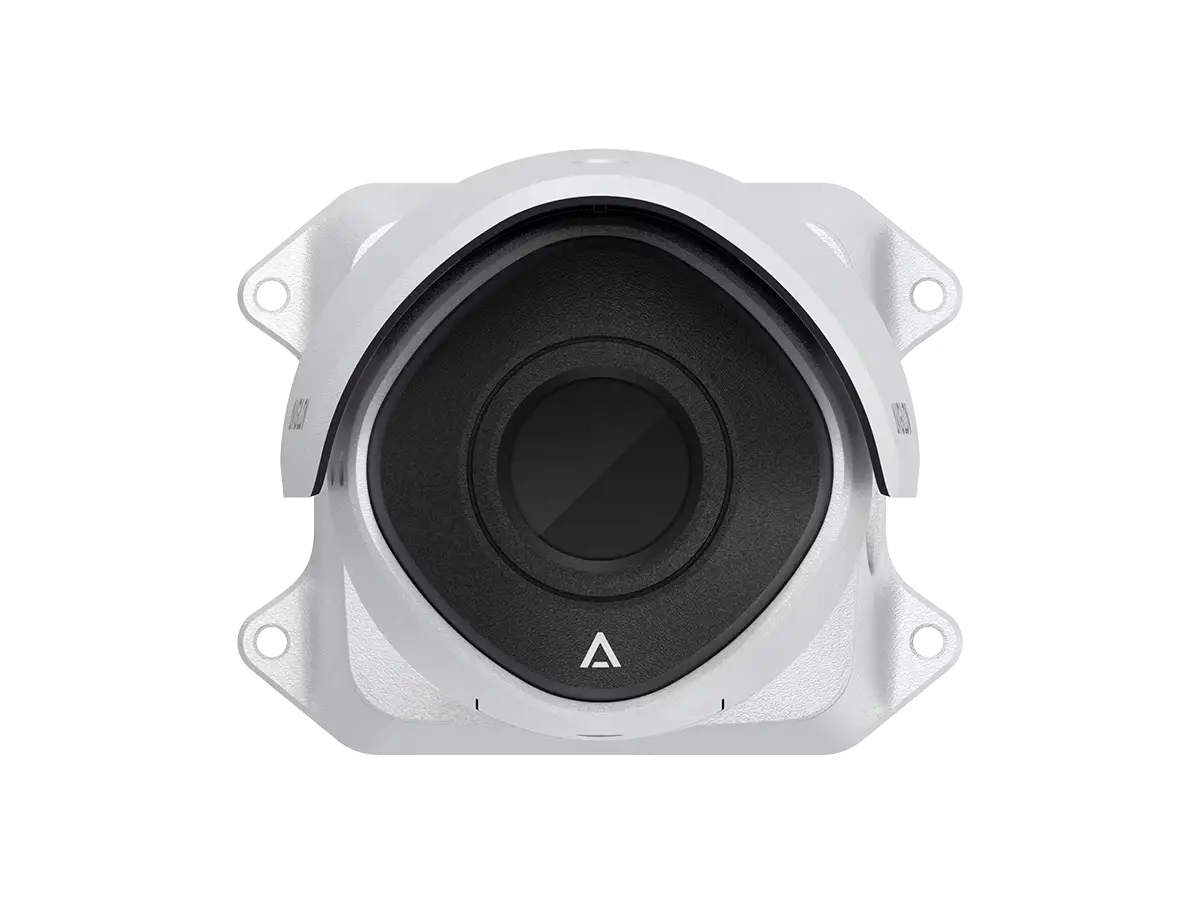
Where heat-based observation can fit
Thermal imagery can complement conventional cameras around a commercial boundary, remote exterior area or other scene where heat contrast is relevant to the task. It should be selected because it provides useful information—not because it is a universal replacement for lighting or visible video.
ACG reviews the background, expected subjects, obstructions, weather exposure, mounting and operating distances. Site conditions affect the result, so the project needs a representative test rather than a generic promise about range.
Suitable planning discussions may involve:
- Exterior perimeters and approach routes
- Remote areas with limited visible lighting
- Industrial properties with a defined observation requirement
- Cameras paired with visible video for event context
- Supported temperature-related applications where the exact variant is appropriate
- Existing Unity environments evaluating an additional imaging method
Avigilon H5A Thermal
Avigilon positions the H5A Thermal family for Unity on-premise video management and describes video analytics for object detection and classification. The manufacturer also identifies optional radiometric capabilities within the family.
Those descriptions do not mean every model has every capability. ACG confirms the exact lens, camera variant, software support and intended function before specifying the system.
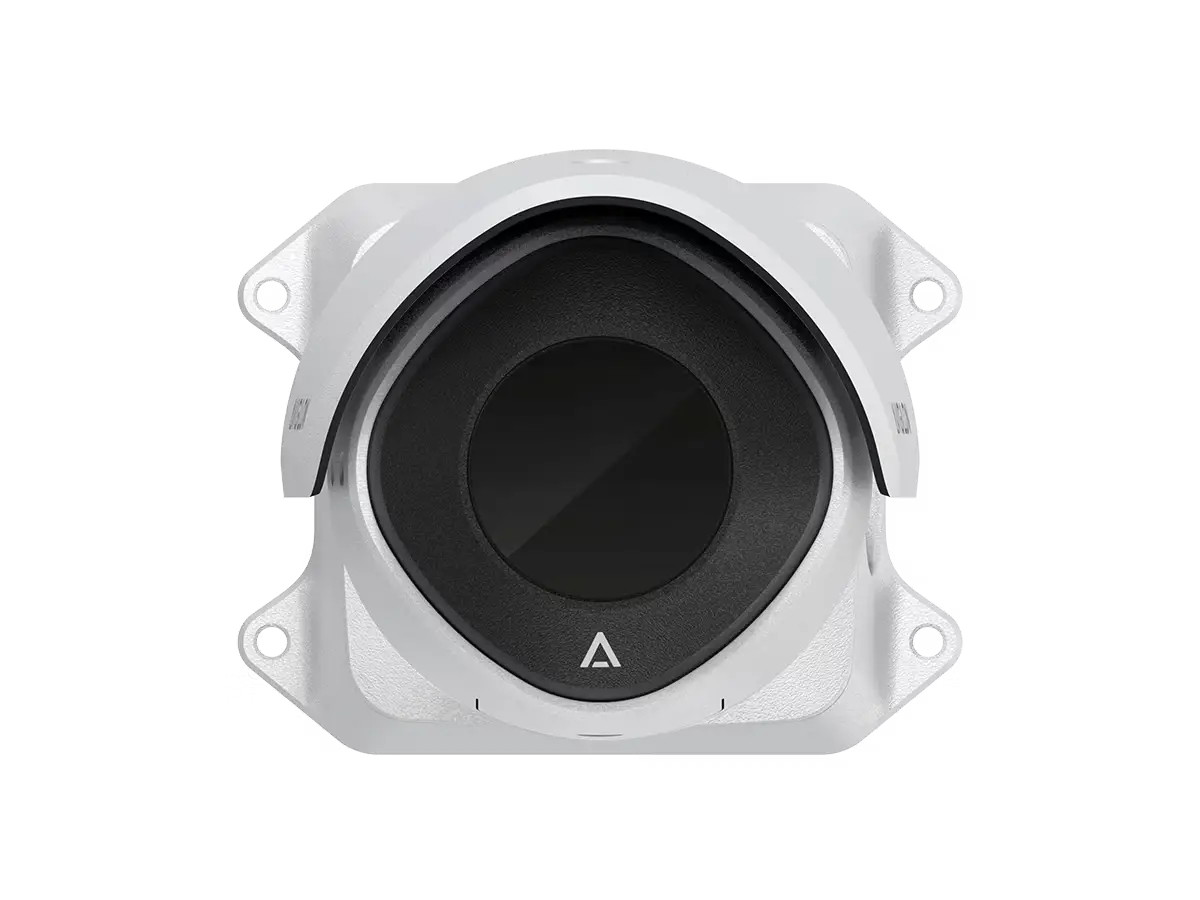
Product-selection questions
- Is the purpose perimeter observation or a supported radiometric application?
- Which exact H5A Thermal variant and lens are appropriate?
- What distance and field of view are required?
- Which Unity functions need to be tested?
- What visible-light camera should provide additional context?
Radiometric functions require their own specification
For a radiometric application, Avigilon describes configurable rules related to an object’s surface temperature or a change over time. That is different from simply displaying a thermal image.
ACG first separates the requested measurement or alert from the broader security view. The selected model, scene and configuration must support the task. A thermal-camera project should not be described as predicting equipment failure or guaranteeing fire prevention.
Define the intended observation
- Identify the surface or object of interest.
- State what change should trigger review.
- Confirm that the selected equipment supports the requirement.
- Identify who assesses the alert and what information they need.
- Test the setup under representative operating conditions.
Keep detection and identification separate
Presence is not identity
A heat-based view may help establish activity in an area without providing the visible details needed to identify an individual.
Range needs a defined task
The distance at which activity becomes noticeable is not necessarily the distance at which an operator can make a useful assessment.
Obstructions still matter
Review the actual line of sight and seasonal changes. Do not design around a general claim that thermal imaging sees through every obstruction.
Visible context remains valuable
A complementary camera can provide scene detail that the thermal image does not contain, such as the appearance of a vehicle or clothing.
Alerts need an owner
Decide who receives an event, how it is reviewed and how the outcome is documented. A notification alone is not an operational response.
Integrate thermal into a supported Unity environment
The H5A Thermal product information identifies Unity as its video-management environment. ACG confirms the selected camera and software combination rather than assuming it belongs in an Alta deployment because other Avigilon families do.
The Avigilon Video Management page provides platform context. The broader commercial thermal imaging service covers heat-based imaging requirements beyond this specific Avigilon family.
Keep recording, user access and event-review requirements in the design. A thermal camera should be as deliberate a part of the operating system as any other security device.
Compare thermal and visible-light roles
| Planning factor | Thermal imaging | Visible-light imaging |
|---|---|---|
| Image information | Heat-related contrast | Visible scene appearance |
| Primary question | Is relevant heat-based activity present? | What visible details describe the event? |
| Darkness | Does not rely on visible illumination to form the thermal view | Requires appropriate camera capability and scene illumination |
| Identification | Has limits for identifying visible details | Can provide details such as color when conditions support them |
| Combined application | Draw attention to an area | Provide context for assessment and review |
This is a comparison of roles, not a guarantee of performance in a particular scene. Dedicated Avigilon LPR should be evaluated when license-plate capture is the actual requirement.
Analytics should be tested against the real background
Thermal analytics need a useful scene and a clearly defined event. Configure them around normal site conditions, then review the results before staff depend on the notifications.
ACG considers how the event relates to other cameras and to the organization’s review workflow. Conditions that change over time should be part of that discussion, including vegetation, vehicle routes and changes to equipment or structures.
The video analytics service addresses these broader configuration and operating questions. Feature availability remains specific to the selected hardware and software.
Plan mounting and infrastructure together
Confirm the mounting position, cable pathway, network connection, power and maintenance access for the selected thermal device. Reusing an old camera position is appropriate only when it suits the new field of view and observation task.
Where thermal and visible cameras work together, document how their views relate. Staff should be able to move from the thermal event to the appropriate context without guessing which camera covers the location.
The final acceptance check should include representative site activity, recorded review and the intended alert workflow.
Use current H5A Thermal documentation
The official H5A Thermal product page links the manufacturer’s documentation. Use the exact variant’s information for radiometric support, lens choices, environmental ratings and configuration requirements.
ACG does not carry a general detection-distance guarantee or equipment-diagnosis claim into the specification.
Define the thermal application before selecting equipment
Tell ACG what needs to be observed, where the camera will operate and what action should follow an event. We can evaluate whether Avigilon H5A Thermal belongs in the system and how it should complement conventional video.
MOTOROLA, MOTO, MOTOROLA SOLUTIONS and the Stylized M Logo are trademarks or registered trademarks of Motorola Trademark Holdings, LLC and are used under license. All other trademarks are the property of their respective owners.