COMMERCIAL SECURITY PLANNING
Commercial Security Consulting
Commercial security consulting helps an organization define what it needs before choosing equipment, replacing an existing system or beginning a major security project. ACG Security Solutions works with commercial organizations to review current conditions, clarify operational requirements, identify practical priorities and build a security plan that can be implemented in phases when necessary.
The consulting process is focused on the physical and electronic security environment ACG supports: video surveillance, access control, video analytics, thermal imaging, intrusion detection, structured cabling and related integration. It is not presented as legal advice, a regulatory certification, an insurance inspection or a substitute for a licensed engineering or life-safety assessment when one is required.
What is commercial security consulting?
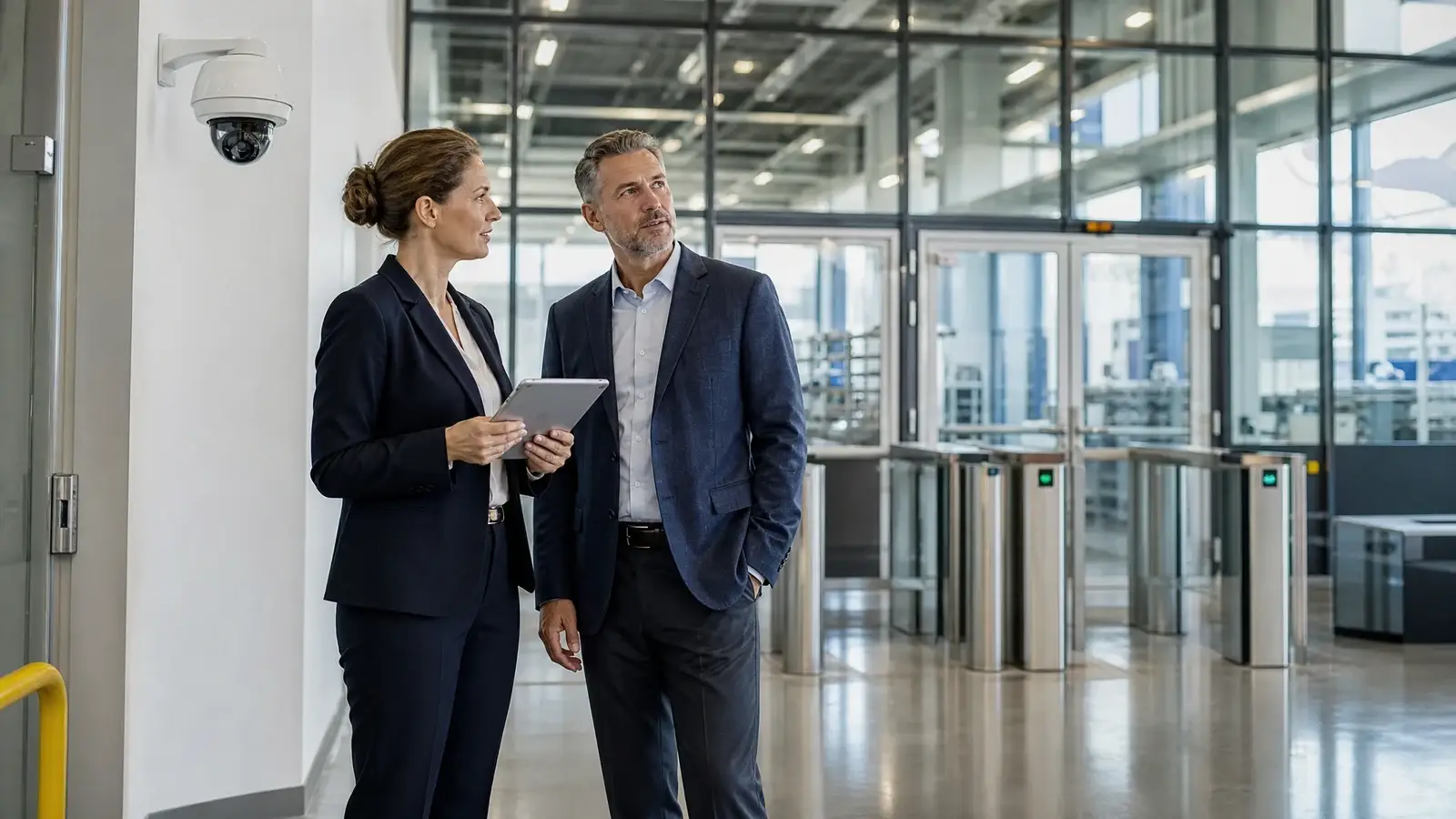
Commercial security consulting is a requirements-first process for understanding a facility, its operations, its existing security systems and the changes the organization is trying to make.
A useful consultation can answer questions such as: Which entrances need stronger access control? Which camera views are missing or no longer useful? Is the current network infrastructure suitable for an expanded surveillance system? Which projects should be completed first, and which can wait? How should a new building or expansion connect to the systems already in use?
When organizations bring in a security consultant
New facilities
A new facility creates an opportunity to define security requirements before cameras, access-controlled doors, network pathways and equipment rooms are finalized. ACG can help identify the electronic security systems the facility is expected to support and coordinate those requirements with the project team so security is not treated as an afterthought after construction decisions are already locked.
Existing-system modernization
Older security systems often contain a mix of equipment from different years, undocumented changes and workflows that no longer fit the organization. A consulting engagement can inventory what is present, identify what still has value, and define which components should be upgraded, integrated or replaced. The goal is to avoid assuming that modernization means removing everything that already exists.
Facility expansion
Adding a building, warehouse area, entrance, parking area or new operational zone can create gaps if the existing security design is simply extended without review. Expansion planning should consider how the new area changes camera coverage, access-control permissions, network infrastructure and operational responsibilities across the whole facility.
Multi-site standardization
Organizations with multiple facilities may want more consistency in camera naming, access-control roles, system administration, security workflows or infrastructure design. ACG can help define practical standards that account for the differences between sites rather than assuming every location has the same building, network or operating pattern.
Construction-to-operations transition
A system that is installed during construction still needs to work for the people who will operate the facility. Before turnover, organizations may need to confirm user roles, camera naming, door schedules, system documentation and administrative responsibilities. Consulting can help connect the installation phase with the day-to-day security workflow that follows.
Changing operating or security requirements
Businesses change hours, staffing, tenants, traffic patterns, technology and internal procedures. Those changes can make an older security design less useful even when the equipment still powers on. ACG can review the current environment and help determine whether the problem is coverage, configuration, user workflow, infrastructure or a combination of factors.
Site and current-system assessment
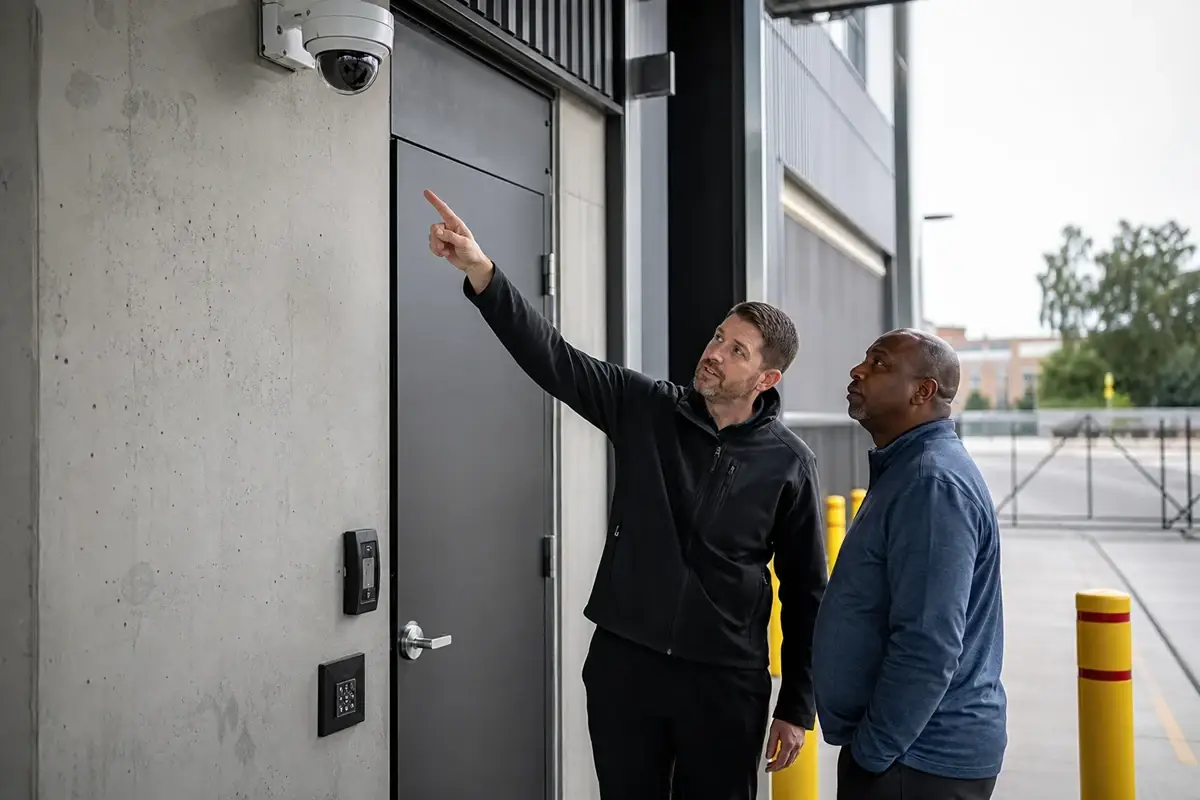
A security consultation should begin with what actually exists. That may include site plans, entrances, loading areas, exterior perimeters, camera views, access-control hardware, network rooms, intrusion zones, server locations and the way employees currently interact with those systems.
ACG can review the existing security environment to identify areas that deserve further attention. For video, that might mean missing views, poor camera placement or a recording architecture that no longer matches the operation. For access control, it may mean inconsistent door permissions, aging hardware or a need to standardize users across facilities. For infrastructure, it may mean undocumented cabling, limited rack space or a backbone that should be reviewed before adding more devices.
Priorities, phasing and implementation roadmap
Not every security improvement needs to happen at the same time. A practical roadmap separates immediate operational needs from enhancements that can be scheduled later. That can be especially important for large facilities, multi-site organizations and projects that must coordinate with construction, IT or capital planning.
ACG can organize recommendations by dependency and purpose. For example, a camera expansion may require structured cabling or network changes first. A new access-control deployment may need door-hardware coordination before software configuration. An analytics project may not make sense until camera placement and image quality are corrected.
Phasing also helps avoid isolated purchases. When the organization knows where it wants the security environment to go, each approved phase can be evaluated against that broader direction. A Phase 1 decision should not unnecessarily block the expected Phase 2 architecture when those future requirements are already known.
Coordinating surveillance, access and infrastructure
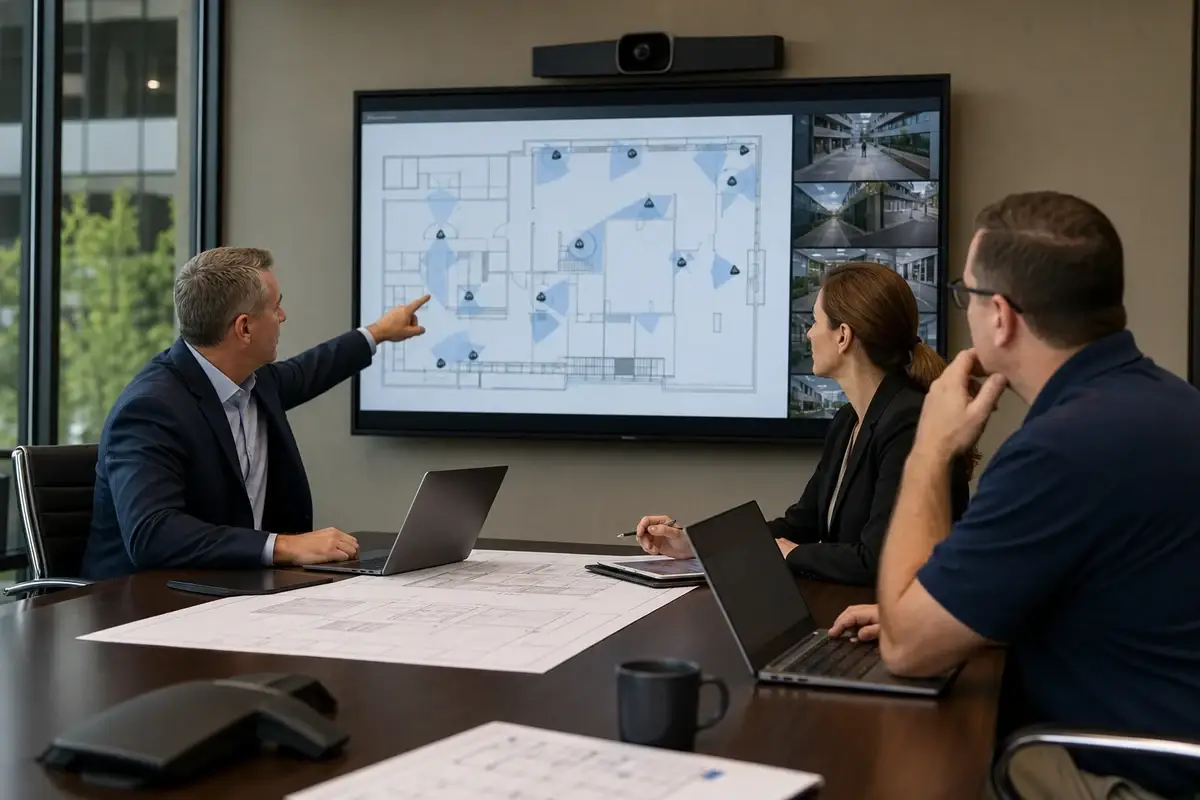
Commercial security systems overlap. A camera may cover an access-controlled entrance. An access-control server may depend on the same network environment used by other security platforms. Video analytics depends on useful camera views. Remote facilities may require backbone connectivity before additional devices can be brought online.
ACG uses the consulting process to identify those relationships before separate system decisions conflict with one another. The goal is not to force every technology into one platform. The goal is to understand which systems should exchange information, which should remain independent, and what infrastructure they need in order to operate as intended.
This is also where operational stakeholders matter. Facilities, IT, security, property management and executive leadership may each have different requirements. ACG can help translate those requirements into a practical security-system scope, while the organization retains responsibility for its policies, approvals and business decisions.
What ACG needs before developing recommendations
A useful consultation depends on accurate project context. Before recommendations are finalized, ACG typically needs information such as:
- Business and facility objectives. What is changing, what problem is being addressed, and what outcome does the organization want from the project?
- Property information. Which buildings, entrances, exterior areas, parking areas, warehouses or other spaces are within scope?
- Existing-system inventory. What cameras, access-control platforms, alarm systems, servers, network equipment or cabling are currently in use?
- Operational pain points. What is difficult for users today—coverage, administration, search, door permissions, reliability, expansion or another issue?
- Stakeholders and responsibilities. Which facility, IT, security, construction or management teams need to participate in requirements and approvals?
- Timing, phasing and known constraints. Are there construction dates, lease events, planned expansions, budget cycles or other dependencies that should shape the roadmap?
The better this information is, the less likely the project is to be driven by assumptions.
How ACG approaches commercial security consulting
1. Define the business and operational objective
ACG begins with the reason for the project. That may be a new facility, an aging system, a need for better visibility, a door-control problem, a planned expansion or a broader modernization initiative. Defining the objective keeps the consultation focused on a real operational requirement.
2. Review the property and current systems
The next step is to document the relevant facility conditions and existing security environment. ACG reviews the systems within scope, how users interact with them, and the physical or infrastructure conditions that may affect the next design.
3. Identify gaps, dependencies and priorities
Findings are organized according to what they affect and what must happen first. A camera recommendation may depend on cabling. An access-control change may depend on door hardware. A server decision may depend on recording requirements. Those dependencies are identified before the implementation sequence is set.
4. Develop phased recommendations
ACG develops a practical recommendation set around the agreed scope. Where appropriate, work can be divided into phases so the organization can address higher-priority needs first while keeping later projects aligned with the broader plan.
5. Support implementation and review
Once recommendations are approved, ACG can support implementation of the security systems within its service scope. After commissioning, the organization can review whether the installed workflow matches the intended operational use and identify any future phase that should be planned.
Requirements-first consulting vs. product-first quoting
There are situations where a straightforward quote is appropriate. If an organization already has a complete, validated scope, it may not need a separate consulting phase. Consulting becomes more valuable when the organization is still deciding what should be done, what should remain, or how multiple systems should fit together.
| Factor | Requirements-first consulting | Product-first quoting |
|---|---|---|
| Starting point | Facility, operations, existing systems and desired outcome | A predefined equipment list or product category |
| Technology selection | Selected after requirements and dependencies are understood | Selected before the full operating context may be known |
| Phasing | Can organize work by priority and system dependency | Often focuses on the immediate purchase only |
| Integration | Reviews relationships among cameras, access control, infrastructure and workflows | May treat each product as a separate installation |
| Best use | Complex, changing, multi-system or modernization projects | Narrow projects where the requirement and design are already fully defined |
Turning recommendations into an implementation plan
A recommendation has limited value if it cannot be translated into a sequence of work. After priorities are established, the next step is to define dependencies, site access, stakeholders, required infrastructure, system cutover considerations and acceptance criteria for each approved phase.
For an existing facility, implementation planning should also protect current operations. Replacing an access-control platform or changing a surveillance network can affect users who still need the building to function during the project. The plan should define how work is staged and what temporary conditions need to be managed.
Why organizations work with ACG on security planning
ACG Security Solutions combines consulting with the perspective of an integrator that works across surveillance, access control, thermal imaging, analytics, intrusion systems and structured cabling. That makes it possible to evaluate a recommendation in the context of the systems that would eventually need to be installed and supported.
ACG is based in Roswell, Georgia, and supports organizations across Georgia, the Southeast and qualifying projects nationwide. The company’s role is to help commercial clients turn facility and operational requirements into a practical electronic-security plan.
The approach is especially useful when an organization has accumulated systems over time or is preparing for an expansion where multiple technologies and stakeholders need to be coordinated.
- Requirements-first planning before equipment selection
- Review of existing systems before recommending replacement
- Coordination across video, access control, analytics, intrusion and infrastructure
- Phased roadmaps for complex or multi-site projects
- Clear boundaries around ACG’s security-integration scope and the organization’s policy, legal and regulatory responsibilities
Commercial security consulting FAQs
Commercial security consulting is a structured process for reviewing a facility, its operations, its existing security systems and the organization’s objectives before defining a security-system plan. It helps establish requirements, priorities and implementation dependencies before equipment decisions are finalized.
A consultation can be useful when opening or expanding a facility, modernizing an aging system, standardizing multiple sites, correcting operational problems or planning a project that involves several connected security technologies.
Yes. ACG can review existing video surveillance, access control, intrusion, cabling and related commercial security components within the agreed scope to understand what is installed, what may still be useful and what requirements should guide the next phase.
Yes. ACG can help define electronic-security requirements for cameras, access-controlled doors, infrastructure and related systems so those needs can be coordinated with the project team before construction decisions make later installation more difficult.
Yes. Where the project allows, recommendations can be organized by priority and dependency so higher-priority work is completed first while later phases remain aligned with the broader security plan.
ACG’s commercial security consulting can include video surveillance, access control, video analytics, thermal imaging, intrusion detection, structured cabling and related system integration when those technologies are within the approved scope.
Yes. ACG can help organizations define practical approaches to naming, administration, access roles, camera coverage, infrastructure or other security-system practices across multiple facilities, while accounting for site-specific differences.
Contact ACG Security Solutions with the facilities involved, the systems currently in use, the changes being considered and the main operational problems or project goals. ACG can then define the information and site review needed for the consultation.
Plan the next stage of your security environment
If your organization is deciding what to replace, what to integrate or what should happen first, the most useful next step may be a requirements conversation rather than another equipment quote. A clear plan can reduce conflicting decisions and give stakeholders a shared understanding of the project direction.
ACG Security Solutions can help evaluate your current commercial security environment, define practical priorities and translate approved requirements into an implementation roadmap.