COMMERCIAL INTRUSION DETECTION
Commercial Intrusion Alarm Systems
Commercial intrusion alarm systems help businesses detect activity at protected doors, interior areas and other defined zones when those areas are not supposed to be accessed. ACG Security Solutions helps commercial organizations plan intrusion detection as one layer of a broader security environment, alongside video surveillance, access control and other site-specific controls.
The objective is not to add sensors everywhere. It is to define what needs to be protected, understand how people legitimately move through the property, select appropriate detection methods, and create an alarm workflow that employees can actually manage. A properly planned commercial alarm system should fit the facility’s operating schedule, access patterns and response procedures.
What is a commercial intrusion alarm system?
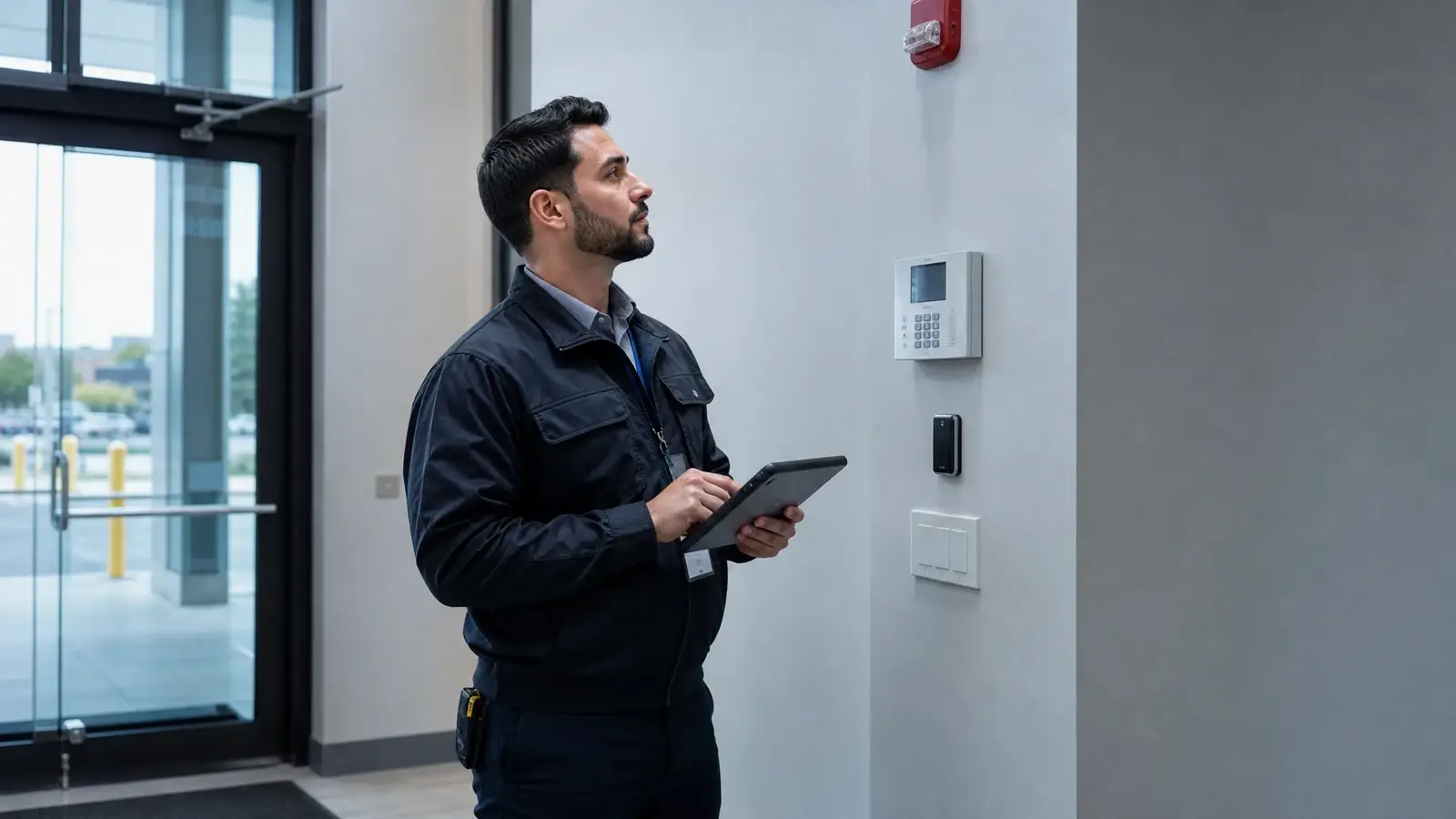
A commercial intrusion alarm system is a group of detection devices, control components and user workflows configured to signal when defined activity occurs in a protected area. Depending on the application, the system may use door or opening contacts, motion detection, glass-break detection or other compatible devices to create alarm zones around entrances, interior spaces or specific operational areas.
Intrusion detection is different from video surveillance. An alarm system is designed to generate a signal when a configured condition occurs. A camera system provides visual information that can help a user understand what happened. When the two are integrated appropriately, an alarm event can become part of a broader workflow that also gives authorized users relevant video or access-control context.
Areas businesses may protect
Exterior doors
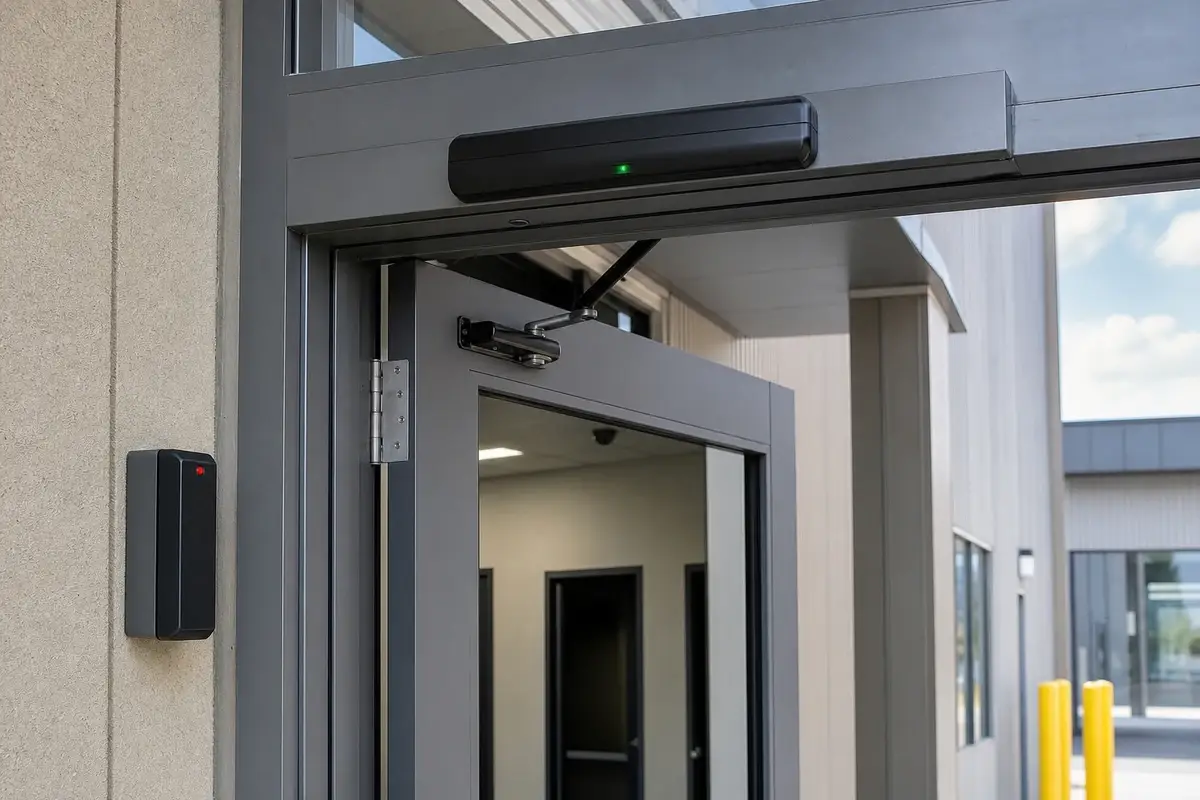
Exterior doors are common intrusion-detection points because they define a clear boundary between public or exterior space and the controlled interior of a facility. A commercial alarm design can place selected exterior openings into defined zones so authorized users can arm, disarm or review those areas according to the organization’s operating schedule. The correct device and configuration depend on the door, hardware, environment and desired workflow.
Loading and service entrances
Loading docks, service doors and delivery entrances often operate differently from a building’s main entrance. They may open earlier, close later or be used by a smaller group of authorized employees. Intrusion planning should account for those differences so the alarm system supports the operating pattern instead of creating unnecessary exceptions or nuisance activity.
Interior restricted zones
Some commercial facilities need protection beyond the exterior shell. Interior rooms, equipment spaces, records areas or other restricted zones may require separate alarm treatment when they are not in use. Creating distinct zones can give the organization more control over how different parts of a building are secured without requiring the entire property to follow one operating schedule.
Warehouses and storage areas
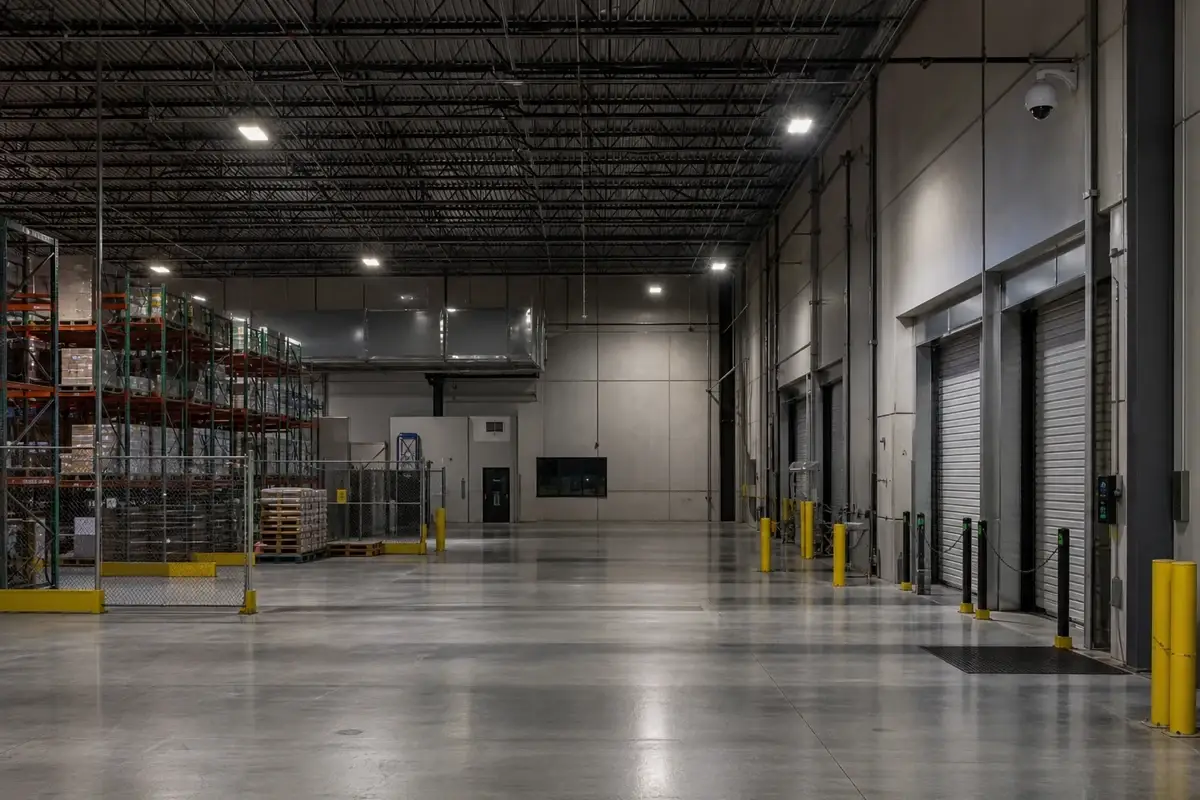
Warehouses and storage environments can include large open areas, loading activity, high ceilings, equipment movement and multiple access points. Those conditions make site assessment important. ACG can evaluate where intrusion detection is useful, how it should relate to legitimate operations, and where video surveillance or access control may provide better context than adding another alarm point.
Offices and retail environments
Commercial offices and retail properties often have a mix of public areas, employee-only areas and after-hours security requirements. Alarm zones can be organized around the way the property actually opens, closes and transitions between public and restricted use. Clear user permissions and simple arming procedures are especially important where multiple managers or shifts share responsibility for the system.
Remote or secondary structures
Detached buildings, equipment rooms, maintenance structures or other secondary areas may need their own detection strategy. The first question is whether the location has the power, connectivity and operating conditions needed for the proposed system. From there, ACG can determine how a remote area should report events and whether intrusion detection should be coordinated with cameras, access control or another security layer.
Detection devices, zones and system design
A commercial intrusion system is more than a collection of sensors.
Device selection should follow the environment. A door contact may make sense for a controlled opening. Motion detection may be appropriate in a defined interior area. Other devices may be considered when the physical condition and security objective support them. ACG evaluates the space, the expected activity and the selected platform before recommending a specific detection method.
Zone design is equally important. Businesses may need a perimeter zone, a warehouse zone, an office zone or another logical grouping that reflects how the facility operates. The goal is a configuration that is specific enough to be useful and simple enough to manage consistently.
Arming, schedules and authorized-user workflows
Commercial alarm systems should be planned around the people who use them. A strong technical design can still create operational problems if employees do not understand when to arm a zone, how to handle a legitimate after-hours entry or who is responsible for reviewing an alarm condition.
ACG considers opening and closing procedures, shift changes, cleaning or maintenance access, delivery windows and other recurring activities when defining the workflow. Depending on the selected system, authorized users may have different permissions for different areas. Those permissions should match job responsibilities rather than giving every user the same level of control.
Intrusion alarms alongside video and access control
Intrusion detection becomes more useful when it is planned as part of the broader security environment. Video surveillance can provide visual context around an alarmed door or interior zone. Access control can provide information about authorized entry activity. Together, those systems can help an organization review what occurred without expecting one technology to perform every security function.
ACG designs these relationships around compatible systems and the facility’s operational requirements. Integration capabilities vary by platform and configuration, so the specific workflow must be confirmed during system planning.
What ACG needs before specifying an alarm system
Before recommending an intrusion alarm configuration, ACG needs enough information to understand the property and how it is used.
- Facility layout and protected areas. Which buildings, doors, rooms or operational zones are within scope?
- Operating hours and shift patterns. When are areas normally occupied, opened, closed or used after hours?
- Authorized access patterns. Which employees, vendors or service personnel legitimately enter protected areas, and when?
- Existing security systems. Are cameras, access control, legacy alarm components or other platforms already installed?
- Alarm and response workflow. Who should receive or review an event, and what internal procedure should follow?
- Expansion and integration requirements. Is the organization planning additional doors, buildings, cameras or connected systems that should influence the design?
These inputs help prevent a product-first approach. The equipment comes after the security objective and operating conditions are understood.
How ACG scopes commercial intrusion detection
1. Define the protection objective
ACG begins by identifying the specific areas and conditions the organization wants the alarm system to address. The objective may involve after-hours exterior openings, restricted interior zones, remote structures or another defined requirement. This step establishes what success should look like without assuming a particular device or platform.
2. Review the facility and normal activity
The next step is to review doors, rooms, pathways, schedules and legitimate movement through the property. This helps distinguish normal operations from the conditions the organization wants the system to report. Existing alarm equipment and connected security systems are also documented where relevant.
3. Develop the zone and device approach
Based on the assessment, ACG develops a proposed zone structure and identifies compatible detection methods for the applicable areas. The design also considers user permissions, schedules, integration points and practical system administration.
4. Configure, test and document
After installation or approved system changes, the configured zones and user workflows should be tested against expected operating conditions. Documentation should make it clear what is protected, who controls each area and how routine exceptions are handled.
5. Review the system as operations change
Facilities do not remain static. New doors, changed shifts, tenant changes, renovations or new security platforms can affect an intrusion design. ACG can help organizations review the system when those changes create a reason to adjust zones, permissions or integrations.
Intrusion alarms vs. video surveillance
The two technologies are complementary. ACG does not treat an alarm signal as a substitute for useful video, or a camera as a substitute for a properly configured intrusion zone when the business requires one.
| Factor | Intrusion alarm system | Video surveillance system |
|---|---|---|
| Primary function | Reports configured alarm conditions in protected areas | Records and displays visual activity within camera views |
| Information produced | Zone or event signal tied to a configured condition | Video that provides visual context before, during or after an event |
| Typical workflow | Arm/disarm areas and review reported alarm activity | Live view, recorded review and event-based video workflows |
| Integration value | Can trigger or contribute to a broader security workflow | Can help users visually assess activity associated with an event |
| Best use | Defined openings, zones and after-hours protection requirements | Ongoing visual coverage, investigation and situational awareness |
Expanding an existing system and reducing nuisance activations
An existing intrusion system does not always need to be replaced. The first step is to determine what is installed, what still functions as intended, what users find difficult, and whether the current platform can support the organization’s next requirements.
Nuisance activations can come from several sources, including device placement, environmental conditions, changing operating schedules, user procedures or a configuration that no longer matches the facility. The correct response is to identify the cause rather than simply lowering sensitivity or disabling protection. Depending on the system, the answer may involve repositioning a device, redefining a zone, changing a schedule, improving user procedures or replacing a component that no longer fits the application.
Why organizations work with ACG on intrusion alarms
ACG Security Solutions approaches intrusion detection as part of a commercial security system rather than as a stand-alone box on the wall. That matters when a business already uses video surveillance, access control, structured cabling or other connected technologies.
The company is based in Roswell, Georgia, and supports organizations across Georgia, the Southeast and qualifying projects nationwide. The project approach starts with the facility, operating requirements and existing systems before moving into device selection and configuration.
For organizations modernizing older systems, ACG can also evaluate what should remain, what should change and where integration with other security platforms may simplify the overall workflow.
- Commercial-first system planning focused on real operating conditions
- Coordination with video surveillance and access control where supported
- Assessment of existing equipment before recommending unnecessary replacement
- Clear zone, user and workflow planning
- Support from system definition through installation, testing and future expansion
Commercial intrusion alarm FAQs
A commercial intrusion alarm system uses configured detection devices, zones and control components to report defined activity at protected doors, interior areas or other parts of a business facility. The exact design depends on the property, operating schedule and security objective.
Depending on the site and selected equipment, intrusion detection may be used around exterior doors, loading or service entrances, restricted interior rooms, warehouses, storage areas or secondary structures. ACG evaluates the location before recommending how those areas should be zoned.
An alarm zone is a logical grouping used to identify and manage a protected device or area within the system. Zones can help a business apply different schedules, permissions or workflows to different parts of a facility.
They can in compatible configurations. Video surveillance can provide visual context around an alarm event, while the intrusion system reports the configured alarm condition. The exact integration depends on the selected platforms and project requirements.
Yes, compatible intrusion and access-control systems can be planned together so door activity, authorized entry and alarm conditions support a coordinated workflow. The integration method must be confirmed for the specific equipment and software in use.
Monitoring availability, third-party services and response arrangements depend on the project and selected system. ACG will confirm the applicable monitoring and notification options during system planning rather than assuming a monitoring service is included.
Often, but the existing platform, device condition, available capacity, wiring or communications and the new requirements must be evaluated first. ACG can review the current system and determine whether expansion, partial modernization or replacement is the more practical approach.
Contact ACG Security Solutions and describe the facility, the areas you want to protect, the existing security systems and any operating issues you are trying to solve. ACG can then define the information needed for an intrusion alarm assessment.
Plan intrusion detection for your facility
The right commercial intrusion alarm system should reflect how your property actually operates. It should define meaningful zones, support authorized users, work with appropriate schedules and connect with other security systems where that creates a better workflow.
ACG Security Solutions can help you evaluate an existing alarm system or plan a new commercial intrusion-detection approach around your facility, operating requirements and broader security environment.